
قدرات السمع السلبية لدى الأطفال المصابين بعسر القراءة
Ibrahim Youssef Noshokaty, Howida Hosny Elgebaly, Manal M. Mahdi Omar
Journal article · May 28, 2025
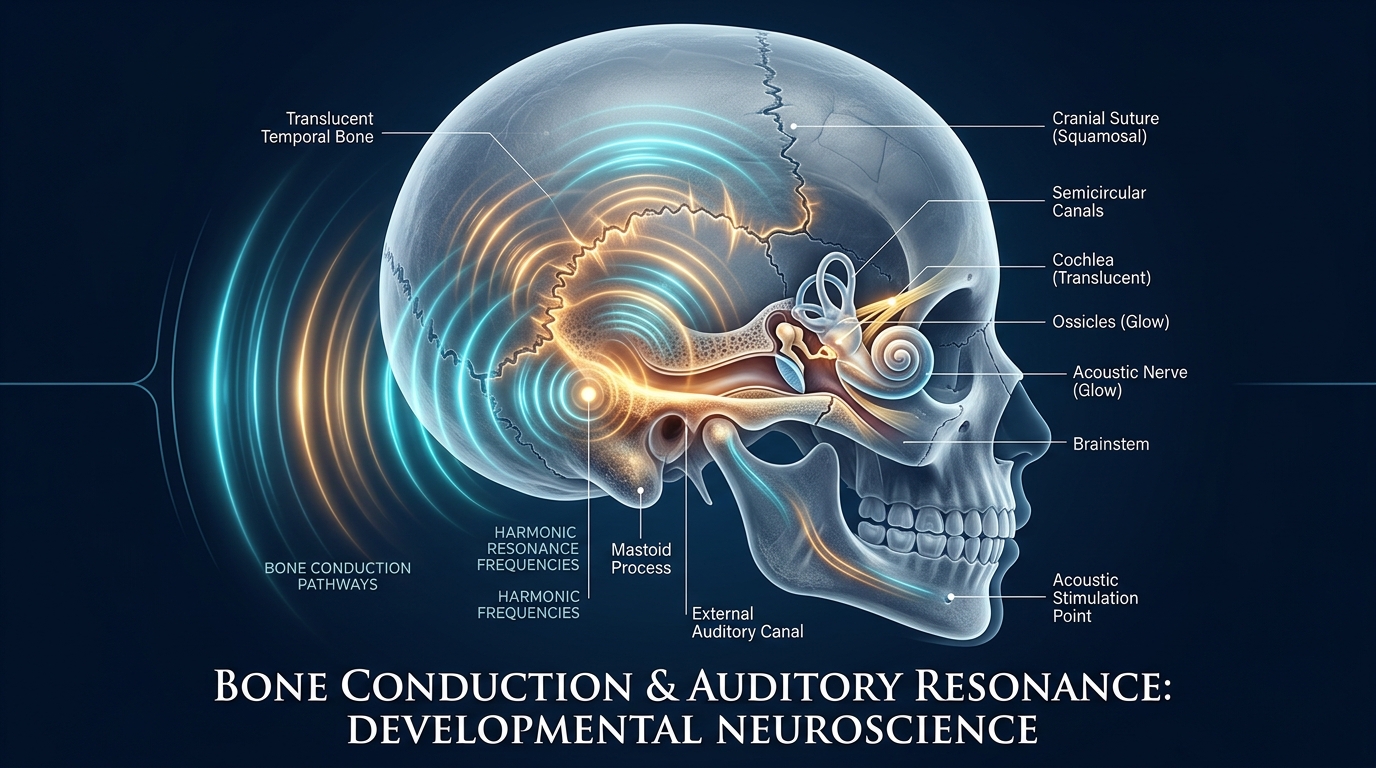
Dyslexia is a specific learning disorder characterised by difficulties with accurate spelling, poor fluency, and decoding abilities. This study investigated the passive hearing abilities and sound conduction through skull bone resonance in dyslexic children, to determine the relationship between skull and sinus hearing ability.
Thirty children diagnosed with dyslexia according to DSM-5 criteria were selected, and their skull bone resonance was measured using a customised bone-conduction microphone and preamp microphone affixed to the forehead.
Results showed that 73.3% of the dyslexic children had abnormal sound conduction, categorised into damping (31.3%), resonance (18.2%), and rumbling (50%) abnormalities. Significant lateralisation differences were found, with more abnormalities on the right side of the skull. The frontal, maxillary, and mastoid sinuses exhibited damping, resonance, and rumbling abnormalities, with rumbling being the most significant finding (38.2%).
The study suggests that phonological deficits in dyslexia may be attributed to skull involvement in fine auditory processing, and that the condition of skull bone cavities and sinuses might play a role in the phonological processing of dyslexic children.